
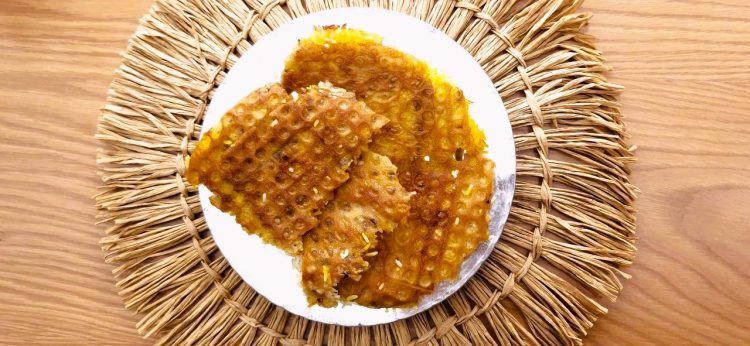
If you’ve ever had Persian rice, you may have noticed the golden, crispy layer at the bottom of the pot. That’s tahdig, and for many Persian families, it’s one of the best parts of the meal.
The word tahdig literally means “bottom of the pot” in Persian. While the rice on top stays soft and fluffy, the layer at the bottom turns golden, crisp, and wonderfully toasted.
What Is Tahdig?
Tahdig is the crispy layer that forms at the bottom of the pot when Persian rice is cooked and steamed. It can be made from rice itself, or from ingredients such as potatoes or bread.
Tahdig is usually served alongside Persian rice and stews. A piece of crispy tahdig with a little of the stew’s sauce is one of those simple combinations that just works.
For many Persian families, though, tahdig is more than just part of the rice. When the pot comes to the table, everyone seems to have their eyes on it.
What Is Tahdig Made Of?
The classic version is made from rice, with oil or butter added to the bottom of the pot to help it become golden and crispy.
But rice isn’t the only option. Potato and bread are also very popular, and each one gives you a different kind of tahdig.
The ingredients are simple. What makes the difference is the heat, the oil, and giving the bottom layer enough time to become crisp without burning.
Popular Types of Tahdig
There are several types of tahdig, and most Persian families have a favorite.
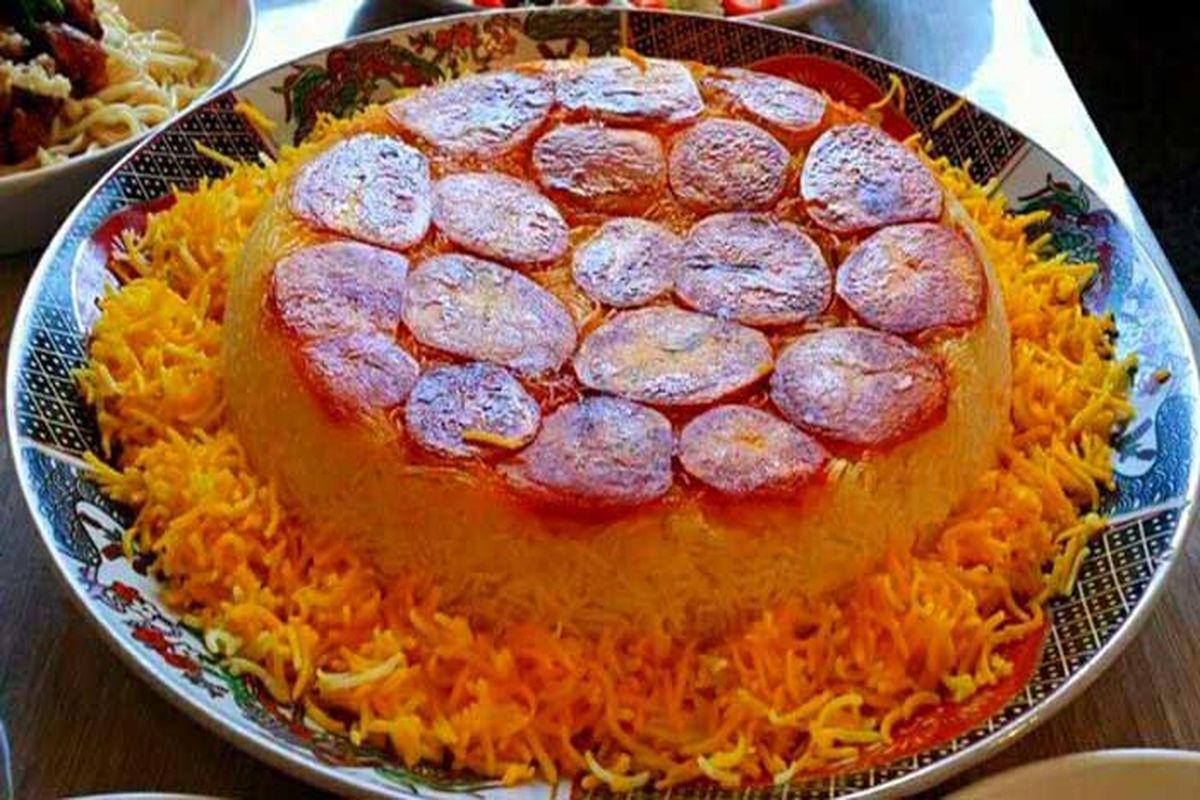
Rice tahdig is the classic version. The rice at the bottom develops a thin, golden crust with a delicious toasted flavor.
Potato tahdig is made with potato slices placed at the bottom of the pot. The potatoes become golden and crispy while the rice cooks above them.
Bread tahdig is usually made with thin bread such as lavash. It becomes wonderfully crunchy and is especially good with saucy Persian stews.
You may also come across lettuce tahdig, which is made with lettuce leaves and is a less common but delicious variation.
There isn’t really one “best” tahdig. If you grew up eating Persian food, your favorite is probably the one you remember from home.
Why Is Tahdig So Crispy?
So, what makes tahdig so crispy?
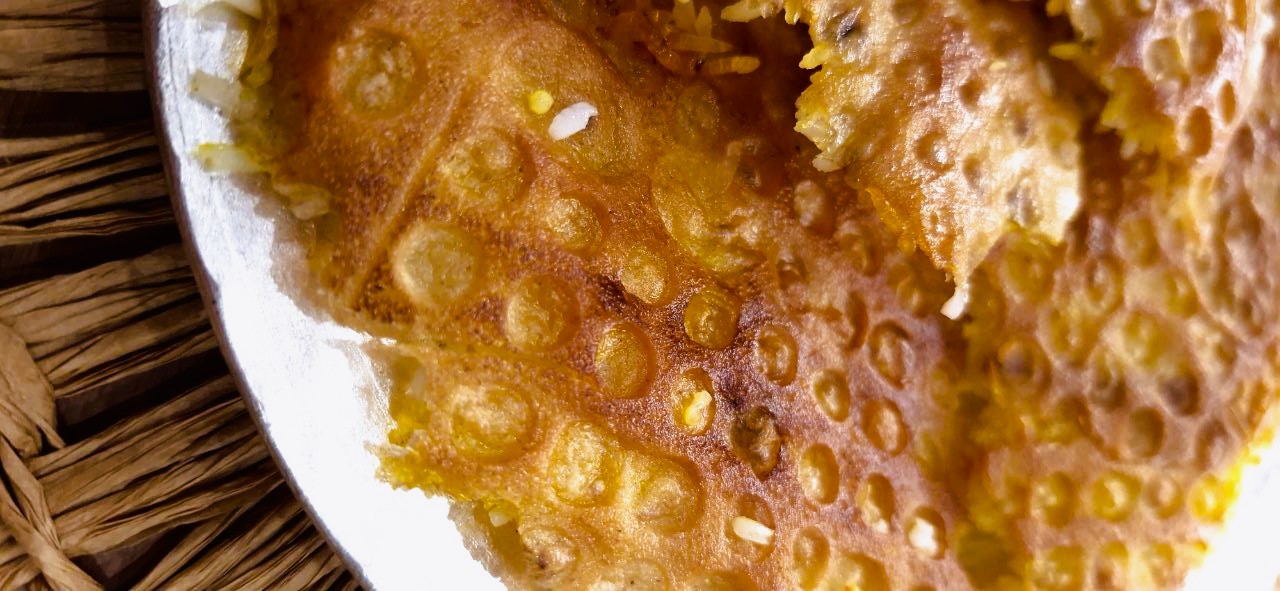
The layer at the bottom of the pot gets direct heat, while the rice above it steams. As the moisture cooks away, the bottom layer gradually becomes golden and crisp.
The heat needs to be just right. Too little heat can leave the tahdig pale and soft, while too much can burn it before the rice is ready.
How Is Tahdig Served?
Tahdig is most often served with Persian rice and stews. Its crunchy texture is a great contrast to soft rice and rich, flavorful sauces.
It’s especially good with stews such as Khoresh Bademjan, Ghalieh Meygoo, and Ghalieh Mahi. You can break off a piece of tahdig and use it to scoop up some of the sauce—a very satisfying way to eat it.
Tahdig also goes beautifully with Persian mixed rice dishes such as Adas Polo. In many Persian homes, Adas Polo is served with crispy potato tahdig, giving you tender, fragrant rice alongside golden, crunchy potatoes.
And honestly, you don’t always need a stew or another dish. Freshly served tahdig can be hard to resist on its own.
Why Do Persians Love Tahdig?
Ask a Persian family which type of tahdig is the best, and you may get a very confident answer!
For many of us, tahdig brings back memories of family meals and sitting around the table, waiting for the rice pot to be turned over. The crispy pieces are often the first to disappear, and there may even be a little friendly competition over who gets the biggest piece.
That’s part of what makes tahdig special. It’s simple, comforting food, but it also carries the taste of home and memories of sharing a meal with family.


Pingback: Ghormeh Sabzi Recipe (Persian Herb Stew) - Mesry Tasty
Pingback: Fesenjan Recipes: From Classic Chicken to Meatballs & More - Mesry Tasty
Pingback: How to Brew Saffron (Persian Method)? - Mesry Tasty
Pingback: Adas Polo Recipe | Persian Lentil Rice - Mesry Tasty