
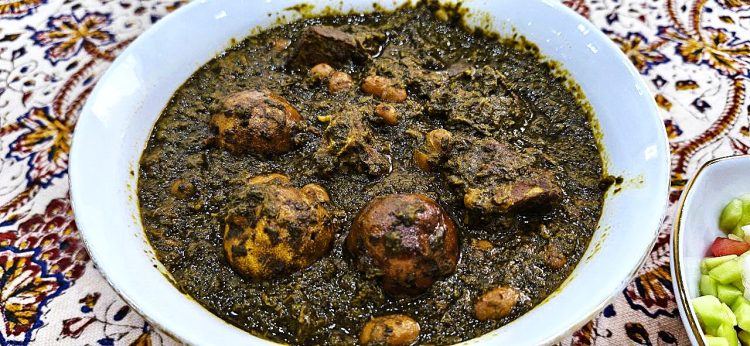
If you’re looking for a comforting Persian stew, Ghormeh Sabzi is a wonderful place to start. Made with fresh herbs, tender meat, beans, and dried limes, it has a rich, savory flavor with a distinctive tang that becomes even better after simmering.
Ghormeh Sabzi always takes me back to my childhood weekends. My mom would start cooking it early in the morning, and the aroma of fresh herbs, simmering meat, and dried limes filling the house meant something special was waiting for lunch.
Why You’ll Love This Ghormeh Sabzi Recipe
- Inspired by a traditional southern Iranian family recipe.
- Rich, aromatic, and packed with fresh herbs.
- Features the authentic flavor of dried limes and ab-ghooreh.
- Perfect for family dinners, gatherings, and special occasions.
- Easy to prepare with step-by-step instructions.
- Tastes even better the next day.
- A comforting Persian classic that brings people together around the table.
What Is Ghormeh Sabzi?
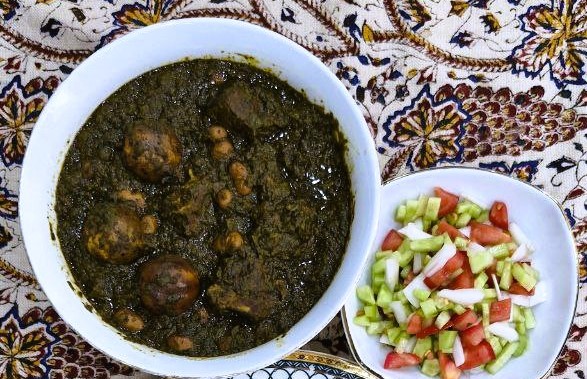
Ghormeh Sabzi is one of the most iconic and beloved stews in Persian cuisine. It is made with fresh herbs, tender chunks of meat, dried limes, and beans—usually red kidney beans, pinto beans, or black-eyed peas, depending on the region.
Often considered Iran’s national dish, Ghormeh Sabzi is famous for its rich herbal flavor, tender meat, and the distinctive tanginess of dried limes. This traditional stew holds a special place on Persian tables and is deeply connected to family gatherings, celebrations, and cherished memories.
In many Iranian households, children proudly say their mother makes the best Ghormeh Sabzi. More than just a meal, it is a comforting symbol of home, tradition, and Persian hospitality.
Regional Variations of Ghormeh Sabzi
Like many Persian dishes, Ghormeh Sabzi varies from one region of Iran to another. Different cities and families use different combinations of herbs and beans, creating unique flavors and textures.
This recipe is inspired by southern Iranian-style Ghormeh Sabzi, which often includes a wider variety of herbs and may use pinto beans or black-eyed peas instead of the more common red kidney beans.
These regional differences are a natural part of Persian home cooking, where recipes are often passed down and adapted within families.
How To Make Ghormeh Sabzi (Persian Herb Stew)?
Making Ghormeh Sabzi takes time, but each step helps build its rich, deep flavor. The key is to fry the herbs patiently, cook the meat until tender, and give the dried limes enough time to infuse the stew with their distinctive tang.
Follow these step-by-step instructions to make homemade Ghormeh Sabzi.
Step 1: Soak and Cook the Beans
Soak the pinto beans overnight. Drain and cook them in fresh water until tender but not mushy, then set them aside.
Step 2: Prepare and Fry the Herbs
If you’re using frozen pre-fried herbs, thaw them a few hours before cooking. For frozen herbs that haven’t been fried, thaw completely, then fry them in oil until they become darker and fragrant.
If using fresh herbs, wash, dry, and finely chop them. Cook the herbs over low heat until the moisture evaporates, then add oil and fry until they turn dark green and aromatic. This step gives ghormeh sabzi its deep flavor and signature aroma.
Step 3: Brown the Onions and Meat
Heat oil in a large pot and sauté the onions until lightly golden. Add the beef or lamb and cook until browned. Stir in the turmeric, black pepper, and red pepper. If you have Southern Iranian curry spice, you can add a small amount at this stage for extra flavor.
Step 4: Simmer the Stew
Add the fried herbs to the pot and mix well. Pour in boiling water or bone broth, cover, and simmer over low heat until the meat is tender.
Step 5: Add the Beans and Dried Limes
Stir in the cooked pinto beans. Pierce the dried limes with a fork or knife and add them to the pot. Continue simmering so they can slowly release their flavor.
Step 6: Finish the Stew
If you’d like to use our family’s optional tip, lightly sauté one tablespoon of flour with a small amount of dried fenugreek in a little oil. Stir this mixture into the stew near the end of cooking. Add sour grape juice (ab-ghooreh) to taste, season with salt and pepper, and continue simmering until the stew thickens slightly, the herbs become fully integrated, and a thin layer of aromatic oil begins to appear on the surface.
Step 7: Serve
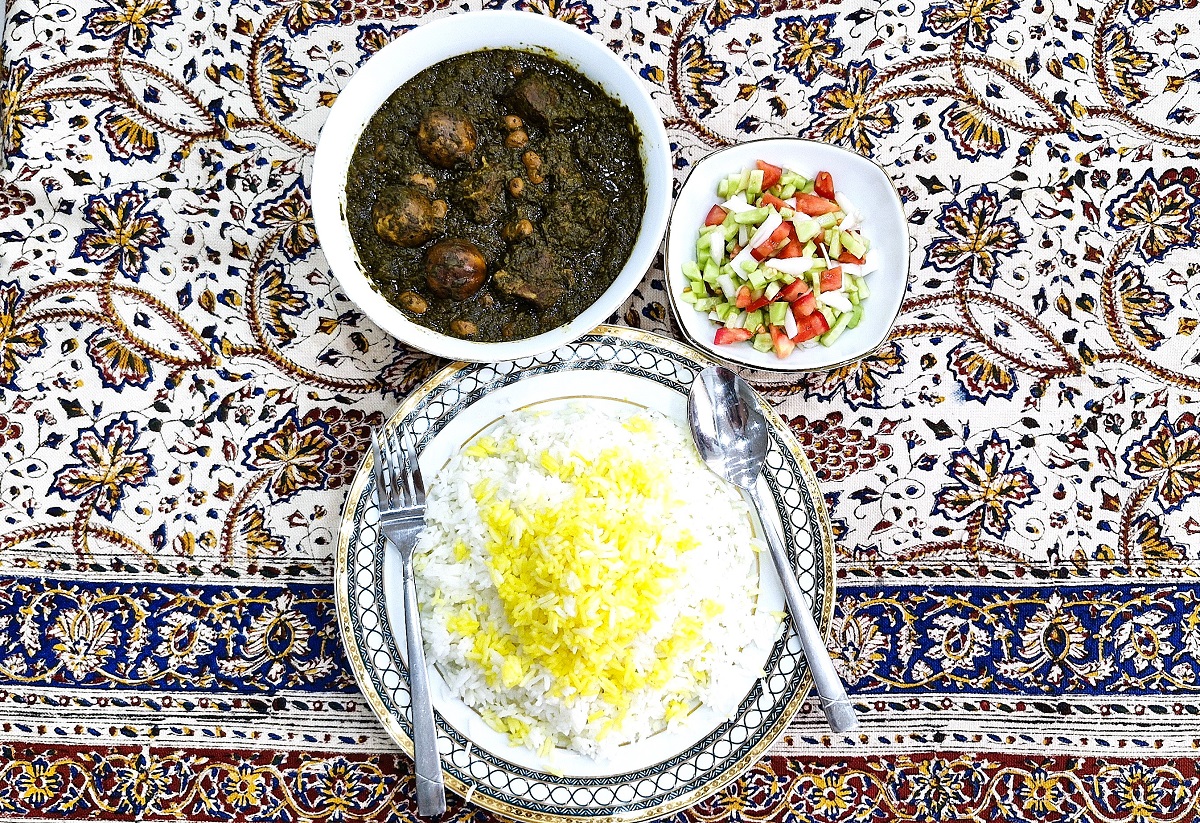
Let the stew rest for 5–10 minutes before serving. Enjoy it with Persian saffron rice, crispy tahdig, and Shirazi salad.
Key Ingredients for Ghormeh Sabzi
Although there are many regional variations of Ghormeh Sabzi, a few key ingredients define the rich flavor and character of this traditional Persian stew.
Fresh Herbs
The herb mixture is the heart of Ghormeh Sabzi. A combination of parsley, cilantro, leek, fenugreek, dill, and spinach creates the stew’s signature aroma, flavor, and deep green color.
Dried Limes (Limoo Amani)
Dried limes are one of the most distinctive ingredients in Persian cooking. They add a unique tangy and slightly earthy flavor that gives Ghormeh Sabzi its authentic taste.
Pinto Beans
This recipe uses pinto beans, which create a creamy texture and blend beautifully with the herbs and meat. Depending on the region, red kidney beans or black-eyed peas may also be used.
Beef or Lamb
Tender chunks of beef or lamb provide richness and depth to the stew. Lamb is the traditional choice in many Iranian households, while beef is also widely used.
Sour Grape Juice (Ab-Ghooreh)
Ab-ghooreh adds a bright, refreshing sourness that balances the richness of the herbs and meat. It is a popular ingredient in many traditional Persian dishes.
What Herbs Go In Ghormeh Sabzi (Persian Herb Stew)?
If you’re using frozen pre-fried herbs, thaw them a few hours before cooking. For frozen herbs that haven’t been fried, thaw completely, then fry them in oil until they become darker and fragrant.
If using fresh herbs, wash, dry, and finely chop them. Cook the herbs over low heat until the moisture evaporates, then add oil and fry until they turn dark green and aromatic. This step gives ghormeh sabzi its deep flavor and signature aroma.
What Beans are in Ghormeh Sabzi?
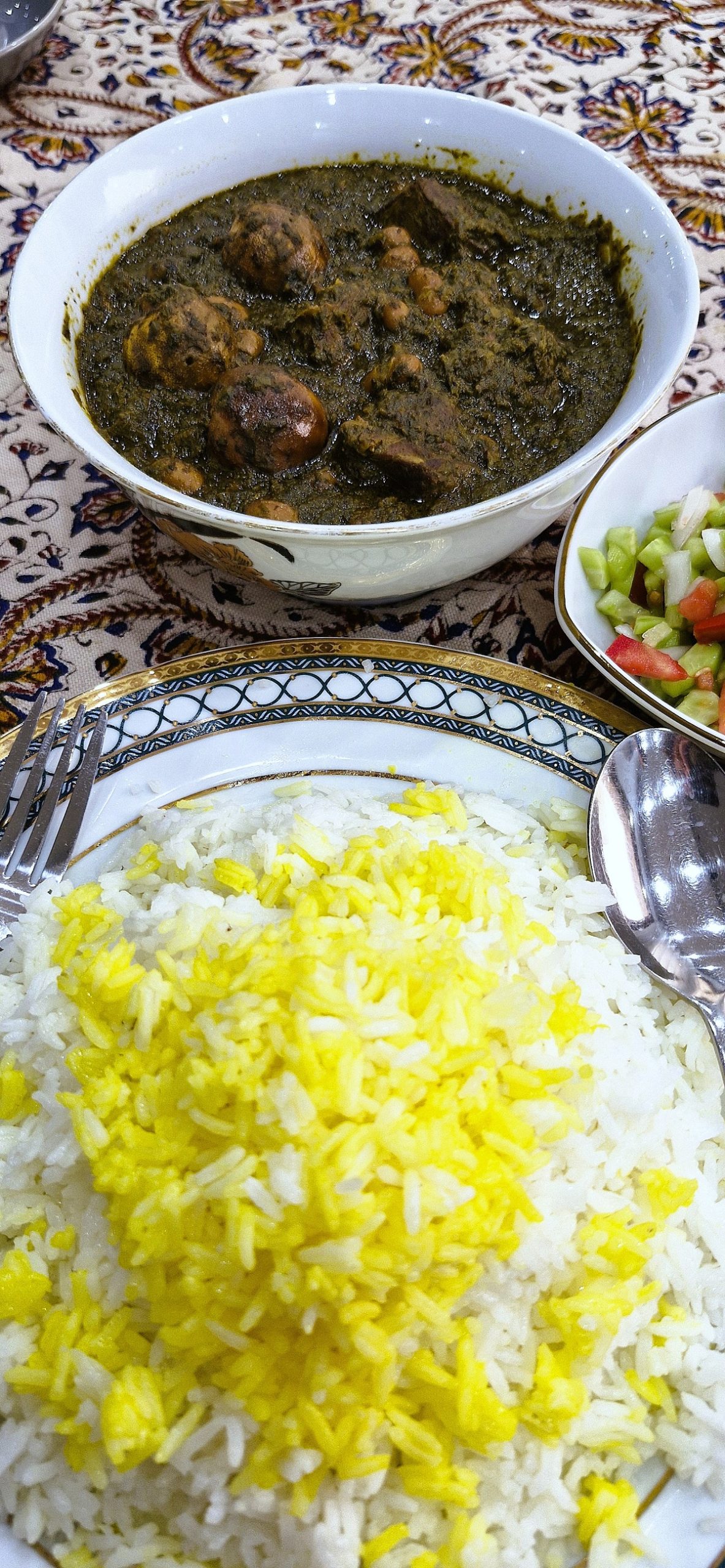
Different regions of Iran use different beans for Ghormeh Sabzi. Red kidney beans are the most common, while this recipe uses pinto beans for their slightly creamier texture. Black-eyed peas are another regional variation.
How long does Ghormeh Sabzi last in the fridge?
Ghormeh Sabzi tastes even better the next day! You can refrigerate it for up to 4 days or freeze for up to 2 months. Reheat gently on the stove or in the microwave.
Tips for Perfect Ghormeh Sabzi
- Add salt after the meat is fully cooked, as adding it too early may slow the cooking process.
- Avoid using too much fenugreek, as it can make the stew bitter. A small amount is enough to create its signature flavor.
- Fry the herbs patiently over low heat to develop the stew’s deep color and rich aroma.
My Family’s Ghormeh Sabzi Tip
One of the tricks I learned from my mom is to lightly sauté a tablespoon of flour with a small amount of dried fenugreek before adding it to the stew near the end of cooking. This optional step helps create a slightly richer texture and adds an extra layer of flavor to the Ghormeh Sabzi.
Serving Suggestions
Ghormeh Sabzi is traditionally served with Persian saffron rice and is even more delicious alongside crispy tahdig. For a complete Persian meal, pair it with Shirazi salad, fresh herbs, yogurt, and pickled vegetables.
The rich herbal flavor of the stew balances beautifully with the freshness of these side dishes, creating a comforting and memorable dining experience.
Frequently Asked Questions
Why is my Ghormeh Sabzi not dark enough?
The dark color of Ghormeh Sabzi comes mainly from properly frying the herbs. If the herbs are not sautéed long enough, the stew may remain lighter in color and have a milder flavor.
Can I make Ghormeh Sabzi vegetarian?
Yes. Simply replace the meat with mushrooms and use vegetable broth instead of bone broth.
Can I make Ghormeh Sabzi without dried limes?
Yes, but dried limes are one of the key ingredients that give Ghormeh Sabzi its distinctive tangy flavor. If you cannot find them, you can use fresh lime juice, although the taste will be slightly different.
Can I use canned beans instead of dried beans?
Yes. Canned beans can save time and work well in Ghormeh Sabzi. Simply drain and rinse them before adding them to the stew.
What is the best meat for Ghormeh Sabzi?
Lamb shoulder and beef chuck are among the most popular choices because they become tender during the long cooking process and add rich flavor to the stew.
Can I make Ghormeh Sabzi ahead of time?
Absolutely. Many people believe Ghormeh Sabzi tastes even better the next day because the flavors have more time to develop.
Can I use frozen herbs for Ghormeh Sabzi?
Yes. If the herbs are already pre-fried, thaw them before cooking. Otherwise, thaw and fry them before adding them to the stew.
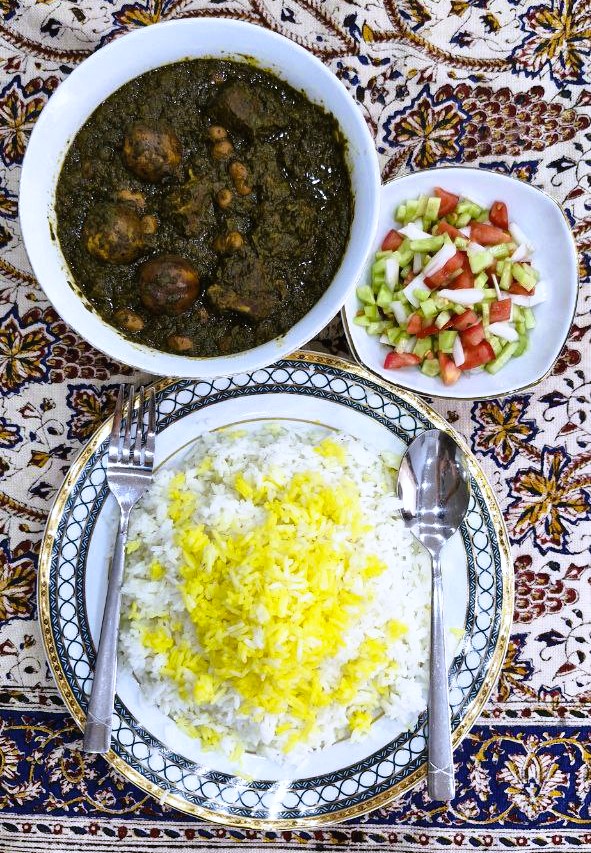
Ghormeh Sabzi Recipe (Persian Herb Stew)
Course: Persian FoodsA traditional Ghormeh Sabzi recipe made with fresh herbs, tender meat, pinto beans, and dried limes. Slow-cooked until rich and aromatic, this classic Persian herb stew is perfect served with Persian rice, crispy tahdig, and Shirazi salad.
Ingredients
500g beef or lamb
200g pinto beans
1kg herbs (parsley, cilantro, leek, fenugreek, spinach, dill)
1 large onion or 2 medium onions
Curry powder, salt, red pepper, black pepper, turmeric (to taste)
2 to 3 dried limes
1 teaspoon dried fenugreek
Enough sour grape juice to taste
Oil as needed
Directions
- Cook the Beans: Soak the pinto beans overnight, changing the water several times. Drain, then cook in fresh water over low heat until tender.
- Prepare the Herbs:
– If using frozen pre-fried herbs, thaw them 2–3 hours before cooking.
– If using frozen herbs that haven’t been fried, thaw them completely, then fry until dark green and fragrant.
– If using fresh herbs, wash, dry, and finely chop the parsley, cilantro, leek, fenugreek, spinach, and dill. Cook over low heat until most of the moisture evaporates, then add oil and fry until dark green and fragrant. - Brown the Meat: Heat oil in a large pot and sauté the onions until lightly golden. Add the beef or lamb and cook until browned. Stir in the turmeric, black pepper, and red pepper. If you have Southern Iranian curry spice, add a small amount at this stage for extra flavor.
- Simmer the Stew: Add the fried herbs to the pot and mix well. Pour in boiling water or bone broth, cover, and simmer over low heat until the meat is tender.
- Add the Beans and Dried Limes: Stir in the cooked pinto beans. Pierce the dried limes with a fork or knife, add them to the stew, and continue simmering so they can slowly release their flavor.
- Finish the Stew: If using the optional family tip, lightly sauté 1 tablespoon of flour with a small amount of dried fenugreek in a little oil, then stir it into the stew near the end of cooking. Add sour grape juice (ab-ghooreh) to taste, season with salt and pepper, and continue simmering until the stew is rich and thick.
- Serve: Let the Ghormeh Sabzi rest for a few minutes before serving. Enjoy with Persian saffron rice, crispy tahdig, and Shirazi salad.
Tips for Making Delicious Ghormeh Sabzi
- Fry the herbs patiently over low heat to develop the deep flavor and dark green color that make Ghormeh Sabzi so distinctive.
- If using frozen herbs that haven’t been fried, thaw them completely and fry them before adding them to the stew.
- Use only a small amount of fenugreek, as too much can make the stew bitter.
- Southern Iranian curry spice is optional. If you can’t find it, simply use turmeric and black pepper.
- Let the stew simmer gently so the flavors have time to develop.
- Taste and adjust the seasoning and sourness during the final stage of cooking.



Pingback: Best Persian stews - Mesry Tasty
Pingback: Khoresh Gheymeh Recipe (Persian Lamb Stew with Yellow Split Peas) - Mesry Tasty
Pingback: Tahdig Recipe | The Crunchy Persian Treasure Everyone Fights Over - Mesry Tasty
Pingback: Shirazi Salad: A Simple Persian Cucumber and Tomato Salad - Mesry Tasty